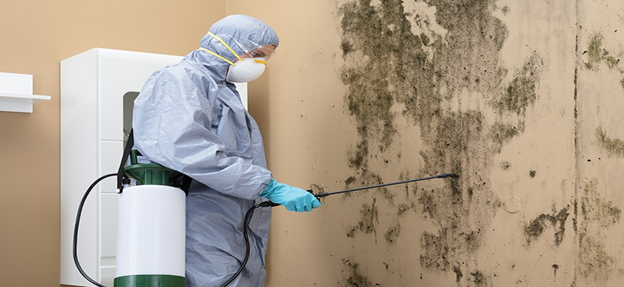
A lot of individuals think they can do removal or remediation in Brooklyn by themselves. However, removing a significant quantity of damage calls for specialized skills and specialized tools.
Detergent, hydrogen peroxide, and bleach are the most often used household cleansers for mildew removal. However, for a treatment to be successful, professional-grade, EPA-approved biocides are required.
Mold comes in more than 300,000 varieties, many of which are poisonous. You won’t know how to recognize or handle them if you don’t have a solid understanding of their kind. The only solution to your fungus issues is a professional like Strictly Cleaning Restoration for cleanup.
Remediation: What Is It?
Mold is a kind of fungus that grows naturally. This may be removed and disposed of. But it cannot be completely eradicated.
Experts in mildew treatment see problems that the typical homeowner might overlook. DIY rot cleanup can be risky since most people lack the necessary skills.
Spores from decay can be absorbed when they are spread. Untrained people’s attempts to remove this will allow it to spread throughout the air. Additionally, spores will disperse and land on clothing and household objects.
Types of Indoor Mold
· Aspergillus
It is a typical indoor blight that develops incredibly quickly. It may be found on unprotected fruits, vegetables, and cereals, as well as in residential air conditioners. Also, it looks like green to black specks or spots.
· Alternaria
Another prevalent species that grows inside. Alternaria can be found on fabrics, plants, vegetables, fruits, wallpaper, ceiling tiles, and window frames. It may cause hay fever or asthma if exposed.
· Cladosporium
This type is frequently found in insulation, moist building materials, cooling systems, and decomposing vegetation. Some species can trigger an allergic reaction, but the majority are harmless.
· Chaetomium
It is known as this one that smells musty. Chaetomium is usually found in places that have been flooded. Read https://nyc.streetsblog.org/2023/10/06/after-a-century-of-flooding-on-brooklyns-fourth-avenue-city-says-itll-be-fixed-by-2033 to learn how long you’ll have to suffer from such conditions.
This includes basements, under carpets, drywall that has been soaked, or beneath roofs. It looks like cotton and has a texture that ranges from white-gray to brown.
· Penicillium
This kind is utilized in bleu cheese. However, it is unhealthy when it is present in your house in an allergic condition. In the vicinity of water-damaged regions, penicillium emerges as a velvet blue-green species.
· Stachybotrys
Also referred to as black mold, this type is distinguished by a deep green-to-black hue. It hides in the ceiling, behind walls, and tiles. Black species are extremely hazardous and should only be removed by a specialist.
How to Do a Test
Mold is deemed to be present if it is visible, thus testing is not necessary. However, you may get a do-it-yourself test kit for around $10 to $15 if you want to test the species. Test kits can identify surface or airborne spores.
A swab, culture vessel, mask, gloves, and an envelope to transmit a sample to a diagnostic facility. These are usually included in the kit. Within a couple of days, you will often receive an email with the results.

Professional vs. DIY
Remediation experts can locate infestations that the typical homeowner would never notice. Employing treatment is preferable when trying to eliminate it for the following reasons:
· Security
The safety of the building’s occupants should come first. Regardless of whether you find fungus infestations in your house or business, find a guideline for building owners. You wouldn’t want a botched removal or remediation attempt to endanger the health of those you care about.
· Price
In the long term, DIY removal/remediation is more expensive, even if it may appear less costly at first without the proper tools and instruction. You will simply make the issue worse. As a result, the mildew will need to be cleaned often. You will eventually need to work with a removal or remediation expert.
· Practicality
Growth frequently develops in places that are difficult to access. The likelihood of DIY cleanup being successful is low. Unless you have the necessary skills to eliminate this from behind walls or beneath floors. You also need protective clothing, specific equipment, and gear since they may contain toxins.
Why Is Professional Help Necessary in Brooklyn?
Without knowledge of certain kinds and how they behave. Treatment cannot be done safely and effectively. Additionally, you need to be trained on and have access to a variety of tools. Such as a HEPA vacuum and air-filtration devices.
· EPA-Approved Antimicrobial Agents
The general population frequently does not have access to this class of mold-killing antifungals. They are often only sold commercially and are essential for eliminating and stopping its growth.
· Air-filtration Devices
These stop the spread of spores. They separate and eliminate the spores.
· HEPA Vacuum
Allergens are captured by high-efficiency particulate air vacuums. Commercial versions are not as good at recovering spores as industrial-grade HEPA vacuums.
Apart from that, if you are interested to know about “5 Common Plumbing Mistakes Homeowners” then visit our “Home Improvement“ category.
For a treatment to be successful, professional-grade, EPA-approved biocides are required. You might find more about these in Different Types of Chemical Finishing Processes on Fabrics.