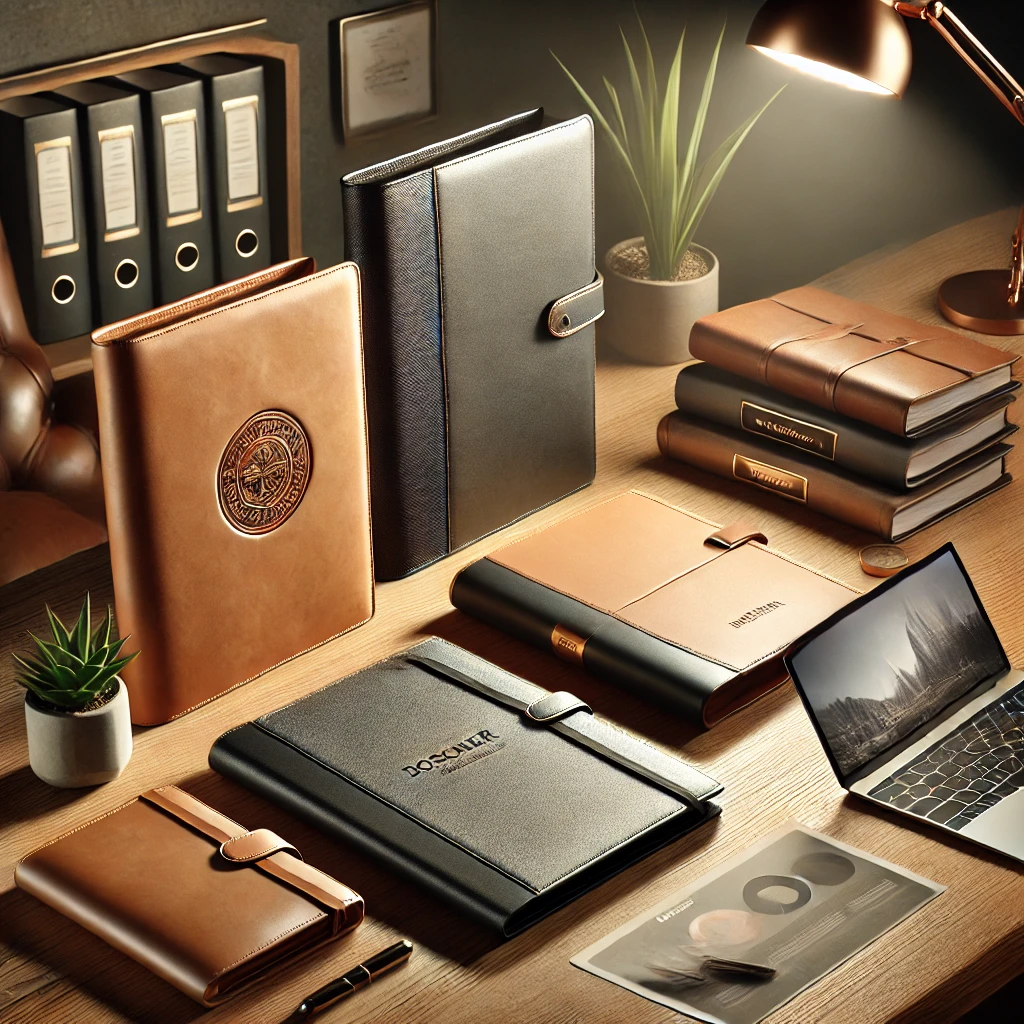
When it comes to creating custom portfolios, choosing the right material is just as important as selecting the design. Portfolios serve as professional tools for executives, artists, students, and businesses looking to make a strong impression. The material you choose impacts not only the appearance but also the durability and usability of the portfolio. Among the most popular options, leather, vinyl, and fabric stand out for their unique advantages. Understanding their distinctions will enable you to choose the best course of action for your situation.
Leather: Timeless Elegance and Durability
Due to its elegance and durability, leather has long been the standard for handcrafted portfolios. Executives, legal professionals, and those seeking a high-end brand image will love genuine leather portfolios’ exquisite texture and professional feel.
Pros:
- Durability – Leather resists wear and tear and ages elegantly.
- Aesthetic Appeal – The rich texture and classic look of leather portfolios give them an executive-level elegance.
- Customization Options – Leather can be embossed or engraved with logos and initials for a premium branding touch.
Cons:
- Higher Cost – Genuine leather is more expensive than other materials.
- Maintenance Required – Leather requires occasional conditioning to prevent drying or cracking.
- Heavier Weight – Compared to vinyl or fabric, leather portfolios can be bulkier.
If you’re looking for a refined, long-lasting portfolio, leather is an excellent investment. However, it may not be the best choice for those on a tight budget or who prefer a lightweight option.
Vinyl: Affordable and Versatile
Vinyl is a popular alternative to leather because it provides a similar sleek look at a fraction of the cost. Many custom portfolios are made with high-quality vinyl, offering a balance between affordability and durability. This material is particularly common in corporate settings, trade shows, and industries that require large-scale branding.
Pros:
- Budget-Friendly – Vinyl portfolios are significantly cheaper than leather, making them a cost-effective choice for businesses.
- Low Maintenance – Unlike leather, vinyl does not require special treatment and is easy to clean.
- Variety of Finishes – Matte, glossy, and textured vinyl portfolios can seem like leather or be distinctive.
Cons:
- Less Durable – While resistant to moisture and stains, vinyl is not as long-lasting as genuine leather.
- Synthetic Feel – Some professionals may prefer the authentic texture of leather over vinyl’s plastic-like finish.
- Environmental Impact – Synthetic vinyl is less eco-friendly than natural.
For companies looking to distribute professional yet cost-effective portfolios at events or conferences, vinyl is a practical choice.
Fabric: Lightweight and Stylish
Fabric portfolios are gaining popularity due to their lightweight structure and unique aesthetic appeal. They are often used for casual or creative industries where a modern look is preferred over a traditional business appearance. Fabric materials can range from canvas and polyester to eco-friendly recycled fabrics.
Pros:
- Lightweight – Student and professional travelers love fabric portfolios since they’re portable.
- Eco-Friendly Options – Many fabric portfolios are made from recycled or sustainable materials.
- Customizable Designs – Fabric portfolios can fit a brand or personality with their colors and patterns.
Cons:
- Less Durable – Fabric is more prone to stains, tearing, and general wear over time.
- Not Water-Resistant – Unlike vinyl and leather, the fabric does not repel water well and can be difficult to clean.
- Casual Appearance – While stylish, fabric portfolios may not convey the same level of professionalism as leather or vinyl options.
Fabric portfolios work well for those who value creativity and sustainability. They are excellent for students, artists, and professionals who want something unique yet functional.
Which Material Is Best for You?
Choosing the best material for custom portfolios depends on your priorities:
- For a classic, professional look and long-term investment, leather is the best choice.
- For an affordable yet sleek alternative with easy maintenance, vinyl is ideal.
- For a lightweight, eco-friendly, and stylish option, fabric is a great pick.
Each material has benefits, so examine your needs, budget, and image before choosing. Regardless of the material, a well-designed personalized portfolio may wow.
Apart from that if you want to know about “Best profit margins industries in Canada” then please visit our “Business” Category.
For those interested in learning about other factors that impact the creation of custom portfolios, such as air conditioning issues for homeowners, check out our article on Air Conditioning Repairs 10 Issues Every Homeowner Should Know.